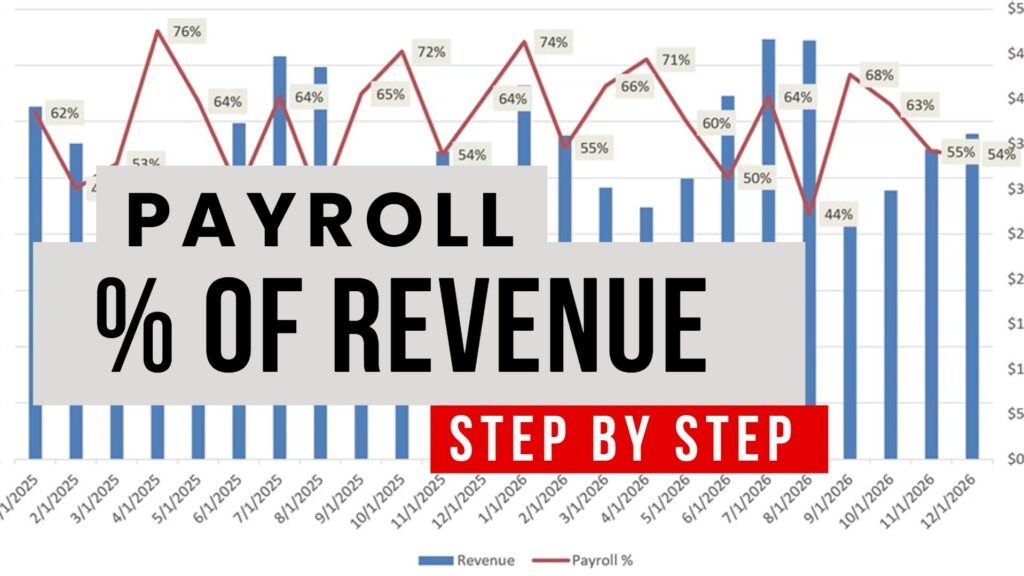
Align payroll percentage of revenue to evaluate how labor costs scale with income and where adjustments may improve financial balance.
Increase revenue per labor dollar to evaluate how effectively labor spend generates income and where productivity improvements may boost returns.
Enhance revenue per employee to gauge how much income each team member contributes and where productivity gains may lift overall performance.
Assess fully burdened cost per technician to account for total employment expenses and where cost structure may be impacting profitability.
Monitor labor cost variance percentage to compare actual spending against budget and where overruns or savings may be affecting performance.
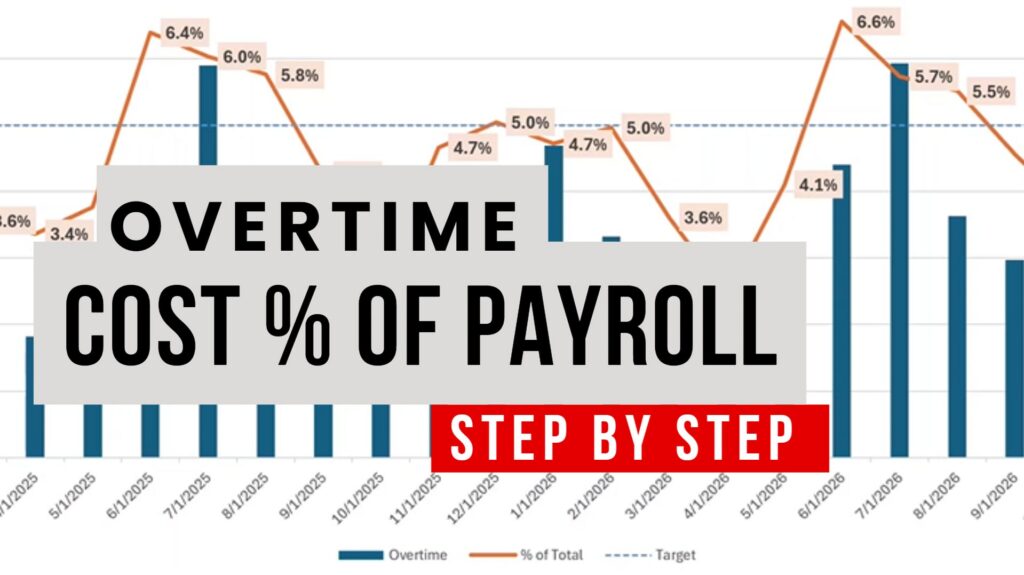
Control overtime cost as a percentage of payroll to quantify extra hours’ impact on labor expenses and where scheduling or staffing may need adjustment.
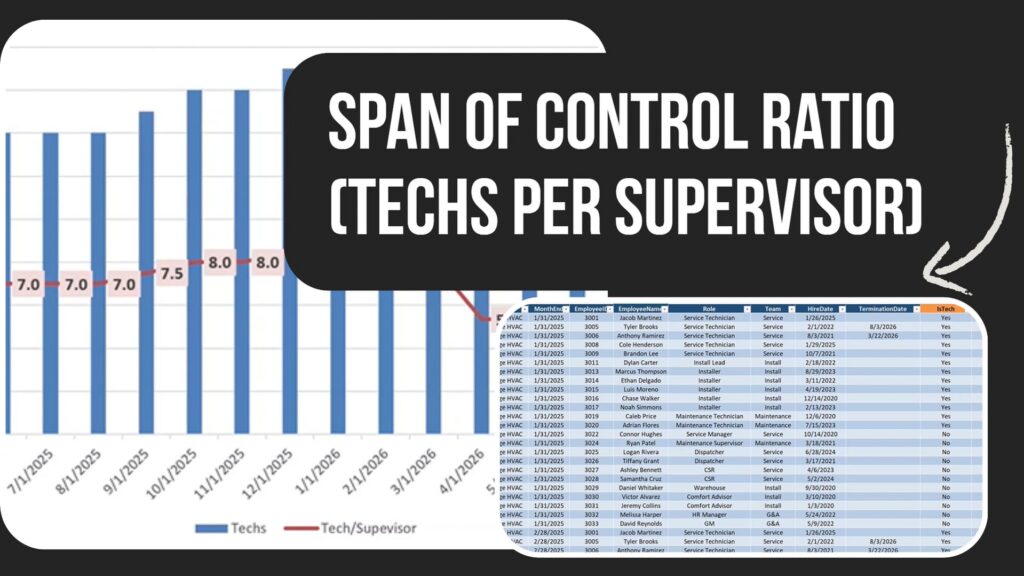
Optimize span of control ratio to evaluate how many technicians each supervisor manages and where oversight or support levels may need adjustment.
Balance billable versus non-billable headcount percentage to understand workforce allocation and where staffing mix may be impacting revenue generation.
Compare average compensation by role to understand pay levels across positions and where adjustments may be needed to stay competitive and aligned.
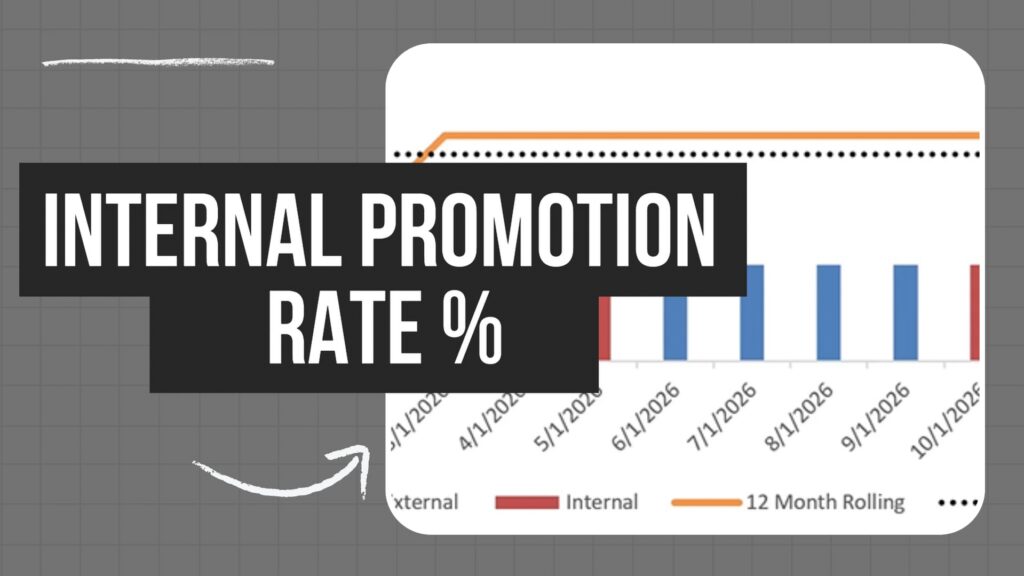
Increase internal promotion rate percentage to gauge how often roles are filled from within and where development efforts may strengthen career growth.
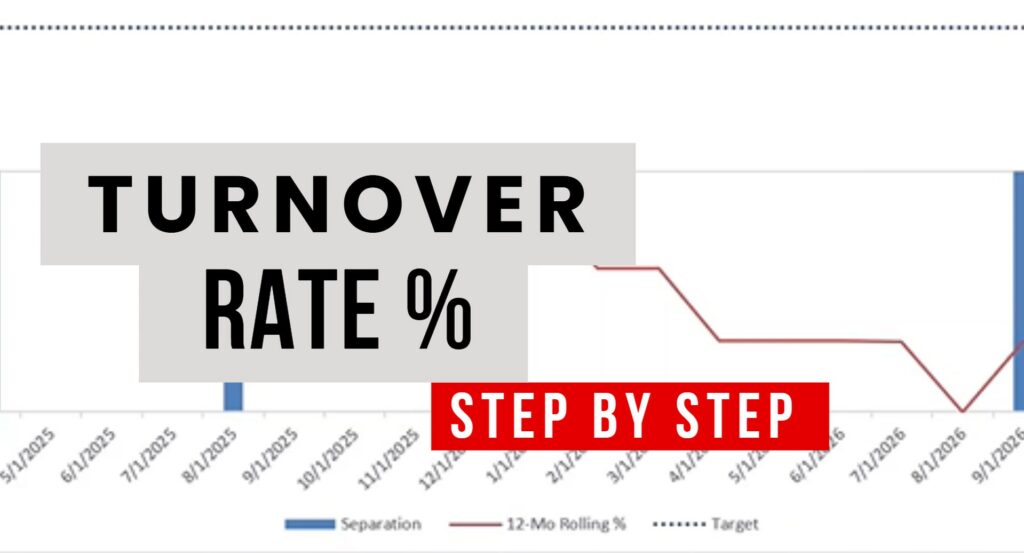
Reduce turnover rate percentage to track how frequently employees leave the organization and where retention strategies may need strengthening.
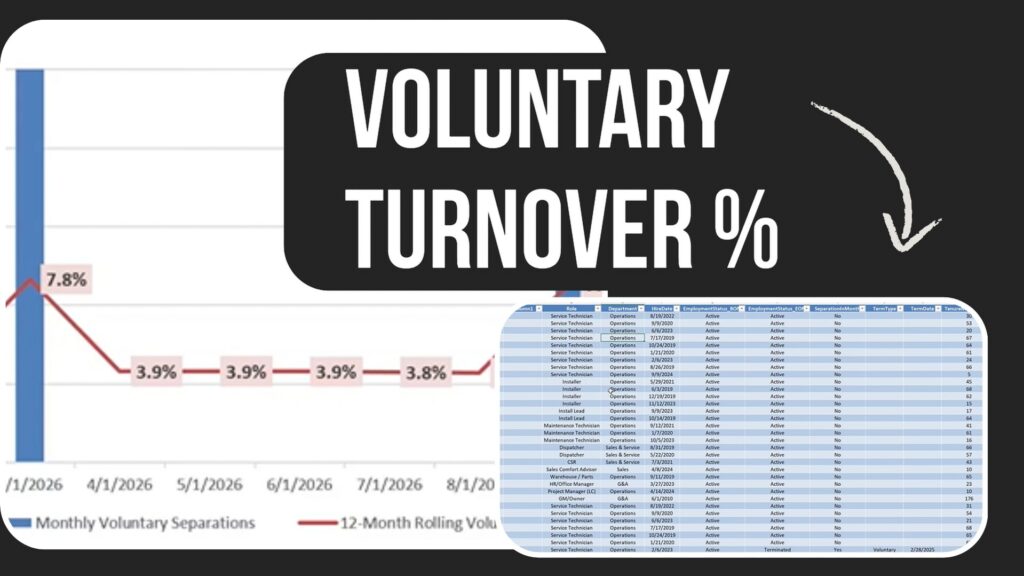
Lower voluntary turnover percentage to monitor how often employees choose to leave and where engagement or satisfaction may require attention.
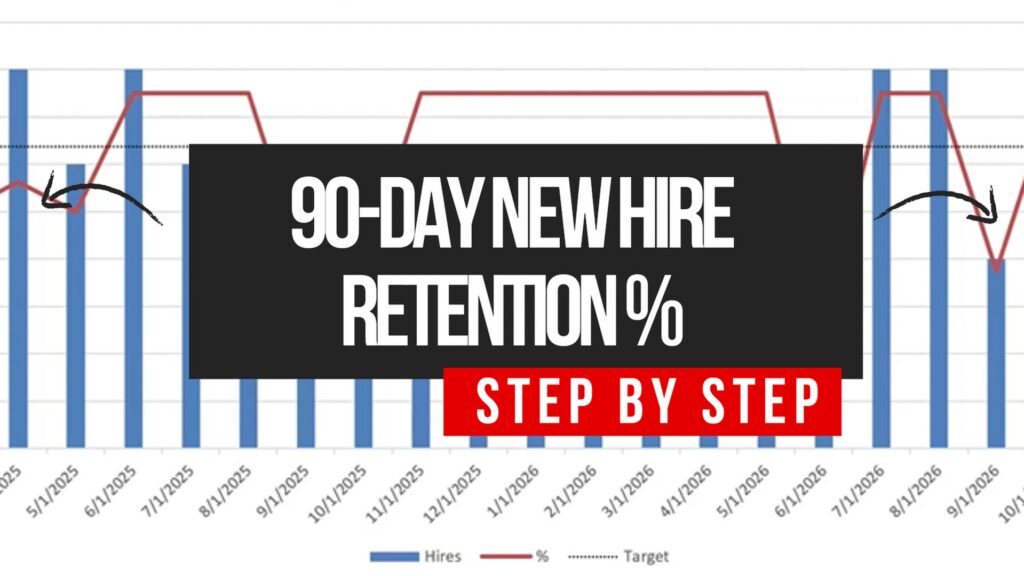
Increase 90-day new hire retention percentage to evaluate early employee stability and where onboarding or role fit may need improvement.
Extend average employee tenure in years to reflect workforce stability and where retention initiatives may strengthen long-term engagement.
Shorten time to fill in days to measure how quickly open roles are staffed and where hiring processes may be causing delays.
Control cost per hire to determine how much is spent to bring in each new employee and where recruiting efficiency may be improved.
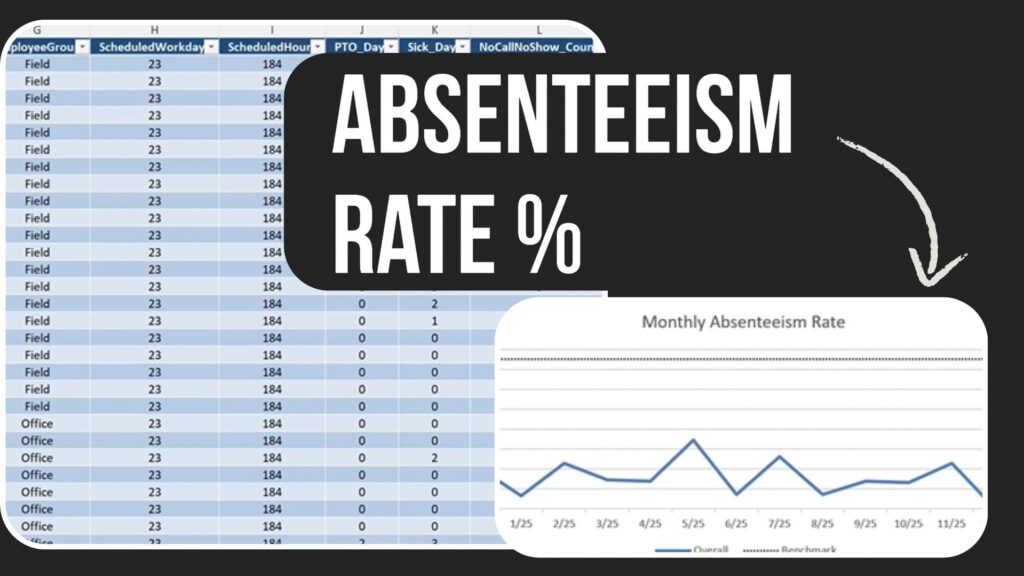
Reduce absenteeism rate percentage to track how often employees are absent and where attendance patterns may be affecting productivity.
Measure top 10% productivity contribution percentage to understand how much output comes from highest performers and where reliance may be concentrated.
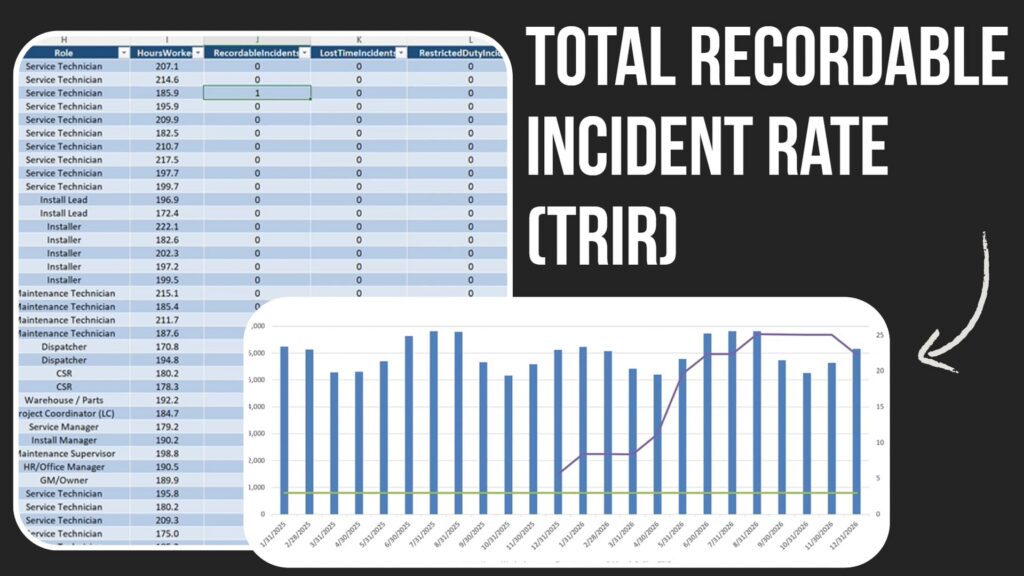
Lower total recordable incident rate to track workplace safety events and where prevention efforts may reduce risks.
Control workers’ compensation cost as a percentage of payroll to measure how injury-related expenses affect labor costs and where safety improvements may reduce impact.